

Understanding Pollution and Its Types
Pollution, a pervasive environmental issue, encompasses various forms that collectively threaten human health and well-being. Three primary types of pollution have garnered significant attention: air, water, and soil pollution. Each type stems from various sources and has distinct effects on the environment and human physiology.
Air pollution stems from emissions resulting from vehicles, industrial processes, and the burning of fossil fuels. According to recent studies, urban areas—like Delhi—exhibit alarming pollution levels, often exceeding recommended limits. This has been linked to respiratory diseases, cardiovascular problems, and potentially adverse effects on reproductive health. Particulate matter and toxic gases present in polluted air can disrupt hormonal balance, which may influence sexual health.
Water pollution, often a result of agricultural runoff, industrial discharge, and improper waste management, poses significant risks to aquatic ecosystems and human life. Contaminants can include harmful chemicals, heavy metals, and pathogens that adversely affect overall health. The consumption of contaminated water has been associated with various health issues, including endocrine disruption, which can impact reproductive functions and sexual health.
Soil pollution, predominantly caused by toxic waste disposal and excessive use of pesticides, compromises the quality of the land we depend on for food. Polluted soils can lead to the absorption of harmful substances by crops, culminating in their presence in the food chain. This contamination poses risks, particularly for reproductive health, as various chemical residues have shown endocrine-disrupting effects.
In urban settings, such as Delhi, pollution levels have reached critical thresholds that warrant urgent attention. Comprehensive understanding and mitigation of these pollution types are essential to safeguard not only general health but also sexual health, setting the stage for further exploration into the correlation between pollution and sexual life.
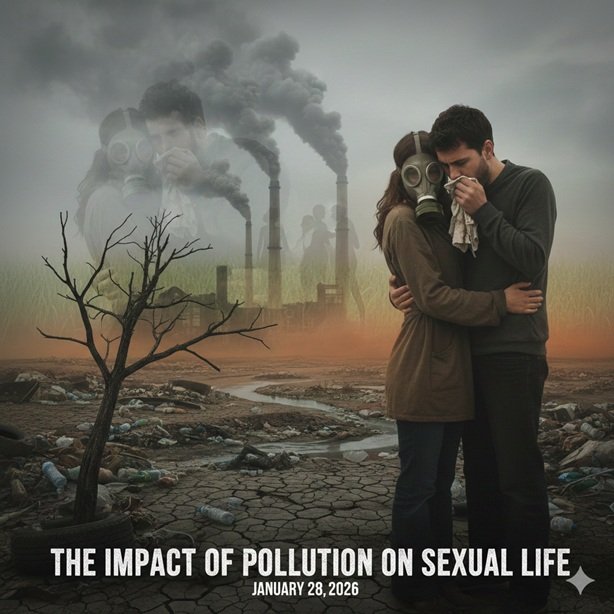
The Connection Between Pollution and Sexual Health
The intricate relationship between pollution and sexual health is becoming increasingly evident as researchers explore the biological and psychological ramifications of environmental contaminants. Pollution—encompassing air, water, and soil contaminants—can significantly disrupt the hormonal balance necessary for optimal sexual function. Endocrine disruptors found in various pollutants affect both men and women, leading to hormonal fluctuations that impair sexual health and reproductive capabilities.
Among the notable impacts of pollution on sexual health, studies indicate that exposure to certain chemicals can lead to reduced libido and sexual dysfunction. For instance, toxic substances present in industrial pollutants can interfere with the production of testosterone and estrogen, essential hormones that govern sexual desire and reproductive health. Dr. P.K. Gupta, a leading sexologist in Delhi, emphasizes the need to recognize the correlation between environmental toxins and common sexual dysfunctions such as erectile dysfunction and decreased libido. He notes that many individuals remain unaware of how their immediate environment might be affecting their sexual well-being.
Moreover, psychological effects triggered by pollution also play a pivotal role in sexual health. Chronic exposure to polluted areas can lead to increased stress and anxiety levels, which are well-documented contributors to sexual dysfunction. The decline in overall mental health due to pollution-related concerns can result in diminished sexual interest and performance, exacerbating existing issues related to sexual satisfaction.
Inadequate awareness of these factors poses a risk to public health, as both men and women may be suffering silently from the effects of environmental pollutants on their sexual lives. Understanding this connection is critical for developing effective interventions and promoting a healthier living environment conducive to both physical and sexual health.
Mental Health and Sexual Life Amidst Pollution
The pervasive effects of pollution extend beyond the physical realm, often leading to significant psychological challenges that can disrupt sexual well-being. Studies indicate that individuals living in highly polluted environments experience elevated levels of anxiety and stress, factors that are critically known to impede sexual function. One research highlighted a correlation between increased anxiety levels and reduced libido, illustrating how environmental stressors can manifest in personal relationships and sexual satisfaction.
Moreover, pollution-exposed populations report higher incidents of depressive symptoms, which further complicates their mental health landscape. Depression is often accompanied by a diminished interest in sexual activities, creating a negative feedback loop where mental wellness and sexual health deteriorate concurrently. As noted in a mental health study, “stress-induced hormonal imbalances can lead to reduced sexual drive and performance, revealing the intricate links between mental states and sexual activity.”
The interplay between mental wellness and sexual satisfaction is multifaceted. For many, the burden of living in a polluted environment contributes to a general sense of hopelessness and disconnection. This disconnection can impede intimacy and relational dynamics, exacerbating feelings of isolation. Sexual health professionals note that addressing mental health proactively can significantly enhance sexual experiences. Techniques such as mindfulness, therapy, and lifestyle changes can buffer the psychological impacts of pollution, fostering a more harmonious interaction between mental and sexual health.
Given this connection, it is imperative for individuals suffering from anxiety or depression to seek comprehensive treatment that acknowledges the psychological toll of environmental stressors. Engaging with mental health services and fostering open dialogues about sexual health can pave the way for improved sexual experiences, even amid ongoing pollution challenges. The necessity of prioritizing mental health in conversations about sexual well-being cannot be overstated, as both elements are critical for a fulfilling life.
Solutions and Recommendations for a Healthier Sexual Life
In light of the growing concerns related to pollution and its adverse effects on sexual health, it is essential for individuals and couples to adopt practical strategies to mitigate these impacts. By implementing specific lifestyle changes, utilizing natural remedies, and recognizing the importance of professional guidance, one can significantly enhance their sexual wellness.
Firstly, making conscious lifestyle choices can bolster sexual health. Engaging in regular physical activity not only improves cardiovascular health but also increases libido and overall energy levels. Activities such as jogging, yoga, or dancing can help improve bodily functions that may be compromised due to pollution. Additionally, prioritizing a balanced diet rich in antioxidants can combat oxidative stress, which studies have indicated may adversely affect sexual health.
Incorporating natural remedies can also provide relief and bolster sexual function. Herbal supplements, such as ginseng or maca root, have been traditionally used to enhance sexual vitality. Furthermore, using essential oils known for their aphrodisiac properties may create a more conducive environment for intimacy. Essential oils such as patchouli or ylang-ylang can help alleviate stress and foster relaxation, which is crucial for healthy sexual experiences.
Moreover, Dr. P.K. Gupta emphasizes the importance of seeking professional help for those encountering persistent sexual health issues. Engaging with a healthcare provider or a sexologist can ensure that underlying problems related to pollution are addressed effectively. They can offer tailored treatments and therapeutic options aimed at improving overall sexual function.
In conclusion, while pollution indeed poses challenges to sexual health, individuals and couples can take proactive steps to maintain their sexual vitality. By embracing healthier lifestyle choices, exploring natural remedies, and consulting with professionals, it is possible to counteract the negative effects of pollution and enhance one’s sexual quality of life.