
Category Archives: Health

The Impact of Pollution on Sexual Life

The Impact of Pollution on Sexual Life: Insights from a Leading Sexologist in Delhi

Understanding Pollution and Its Types

Pollution, a pervasive environmental issue, encompasses various forms that collectively threaten human health and well-being. Three primary types of pollution have garnered significant attention: air, water, and soil pollution. Each type stems from various sources and has distinct effects on the environment and human physiology.

Air pollution stems from emissions resulting from vehicles, industrial processes, and the burning of fossil fuels. According to recent studies, urban areas—like Delhi—exhibit alarming pollution levels, often exceeding recommended limits. This has been linked to respiratory diseases, cardiovascular problems, and potentially adverse effects on reproductive health. Particulate matter and toxic gases present in polluted air can disrupt hormonal balance, which may influence sexual health.

Water pollution, often a result of agricultural runoff, industrial discharge, and improper waste management, poses significant risks to aquatic ecosystems and human life. Contaminants can include harmful chemicals, heavy metals, and pathogens that adversely affect overall health. The consumption of contaminated water has been associated with various health issues, including endocrine disruption, which can impact reproductive functions and sexual health.

Soil pollution, predominantly caused by toxic waste disposal and excessive use of pesticides, compromises the quality of the land we depend on for food. Polluted soils can lead to the absorption of harmful substances by crops, culminating in their presence in the food chain. This contamination poses risks, particularly for reproductive health, as various chemical residues have shown endocrine-disrupting effects.

In urban settings, such as Delhi, pollution levels have reached critical thresholds that warrant urgent attention. Comprehensive understanding and mitigation of these pollution types are essential to safeguard not only general health but also sexual health, setting the stage for further exploration into the correlation between pollution and sexual life.

The Impact of Pollution on Sexual Life

The Connection Between Pollution and Sexual Health

The intricate relationship between pollution and sexual health is becoming increasingly evident as researchers explore the biological and psychological ramifications of environmental contaminants. Pollution—encompassing air, water, and soil contaminants—can significantly disrupt the hormonal balance necessary for optimal sexual function. Endocrine disruptors found in various pollutants affect both men and women, leading to hormonal fluctuations that impair sexual health and reproductive capabilities.

Among the notable impacts of pollution on sexual health, studies indicate that exposure to certain chemicals can lead to reduced libido and sexual dysfunction. For instance, toxic substances present in industrial pollutants can interfere with the production of testosterone and estrogen, essential hormones that govern sexual desire and reproductive health. Dr. P.K. Gupta, a leading sexologist in Delhi, emphasizes the need to recognize the correlation between environmental toxins and common sexual dysfunctions such as erectile dysfunction and decreased libido. He notes that many individuals remain unaware of how their immediate environment might be affecting their sexual well-being.

Moreover, psychological effects triggered by pollution also play a pivotal role in sexual health. Chronic exposure to polluted areas can lead to increased stress and anxiety levels, which are well-documented contributors to sexual dysfunction. The decline in overall mental health due to pollution-related concerns can result in diminished sexual interest and performance, exacerbating existing issues related to sexual satisfaction.

Inadequate awareness of these factors poses a risk to public health, as both men and women may be suffering silently from the effects of environmental pollutants on their sexual lives. Understanding this connection is critical for developing effective interventions and promoting a healthier living environment conducive to both physical and sexual health.

Mental Health and Sexual Life Amidst Pollution

The pervasive effects of pollution extend beyond the physical realm, often leading to significant psychological challenges that can disrupt sexual well-being. Studies indicate that individuals living in highly polluted environments experience elevated levels of anxiety and stress, factors that are critically known to impede sexual function. One research highlighted a correlation between increased anxiety levels and reduced libido, illustrating how environmental stressors can manifest in personal relationships and sexual satisfaction.

Moreover, pollution-exposed populations report higher incidents of depressive symptoms, which further complicates their mental health landscape. Depression is often accompanied by a diminished interest in sexual activities, creating a negative feedback loop where mental wellness and sexual health deteriorate concurrently. As noted in a mental health study, “stress-induced hormonal imbalances can lead to reduced sexual drive and performance, revealing the intricate links between mental states and sexual activity.”

The interplay between mental wellness and sexual satisfaction is multifaceted. For many, the burden of living in a polluted environment contributes to a general sense of hopelessness and disconnection. This disconnection can impede intimacy and relational dynamics, exacerbating feelings of isolation. Sexual health professionals note that addressing mental health proactively can significantly enhance sexual experiences. Techniques such as mindfulness, therapy, and lifestyle changes can buffer the psychological impacts of pollution, fostering a more harmonious interaction between mental and sexual health.

Given this connection, it is imperative for individuals suffering from anxiety or depression to seek comprehensive treatment that acknowledges the psychological toll of environmental stressors. Engaging with mental health services and fostering open dialogues about sexual health can pave the way for improved sexual experiences, even amid ongoing pollution challenges. The necessity of prioritizing mental health in conversations about sexual well-being cannot be overstated, as both elements are critical for a fulfilling life.

Solutions and Recommendations for a Healthier Sexual Life

In light of the growing concerns related to pollution and its adverse effects on sexual health, it is essential for individuals and couples to adopt practical strategies to mitigate these impacts. By implementing specific lifestyle changes, utilizing natural remedies, and recognizing the importance of professional guidance, one can significantly enhance their sexual wellness.

Firstly, making conscious lifestyle choices can bolster sexual health. Engaging in regular physical activity not only improves cardiovascular health but also increases libido and overall energy levels. Activities such as jogging, yoga, or dancing can help improve bodily functions that may be compromised due to pollution. Additionally, prioritizing a balanced diet rich in antioxidants can combat oxidative stress, which studies have indicated may adversely affect sexual health.

Incorporating natural remedies can also provide relief and bolster sexual function. Herbal supplements, such as ginseng or maca root, have been traditionally used to enhance sexual vitality. Furthermore, using essential oils known for their aphrodisiac properties may create a more conducive environment for intimacy. Essential oils such as patchouli or ylang-ylang can help alleviate stress and foster relaxation, which is crucial for healthy sexual experiences.

Moreover, Dr. P.K. Gupta emphasizes the importance of seeking professional help for those encountering persistent sexual health issues. Engaging with a healthcare provider or a sexologist can ensure that underlying problems related to pollution are addressed effectively. They can offer tailored treatments and therapeutic options aimed at improving overall sexual function.

In conclusion, while pollution indeed poses challenges to sexual health, individuals and couples can take proactive steps to maintain their sexual vitality. By embracing healthier lifestyle choices, exploring natural remedies, and consulting with professionals, it is possible to counteract the negative effects of pollution and enhance one’s sexual quality of life.
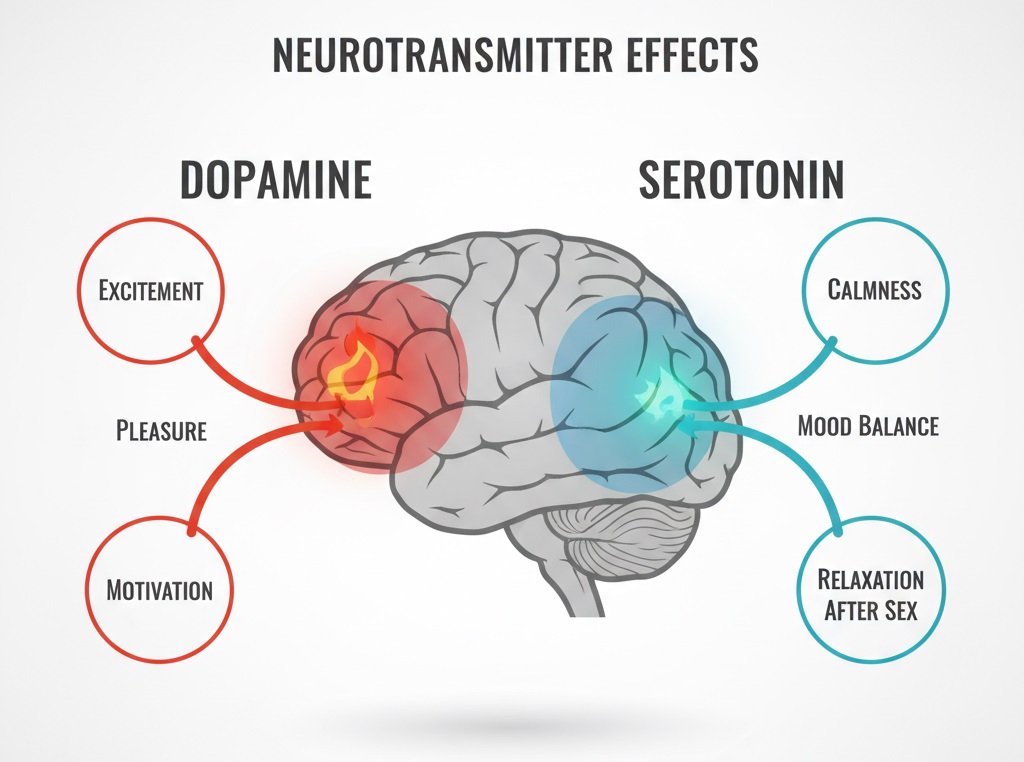
Dopamine and Serotonin

How Dopamine and Serotonin Shape Your Sexual Experiences

Introduction

Sexual desire and satisfaction are not just about physical health — they are deeply connected to the brain’s chemistry. Two key players in this process are dopamine and serotonin. These neurotransmitters (chemical messengers in the brain) influence everything from arousal to orgasm. Understanding their role can help you make sense of sexual problems and seek the right treatment.

Dopamine and Serotonin


Dopamine: The Pleasure Hormone

Dopamine is often called the brain’s “reward chemical.” It creates feelings of excitement, motivation, and pleasure.

Role in Sexual Health:

  • Sparks sexual desire and attraction

  • Enhances arousal and energy

  • Intensifies orgasm satisfaction

  • Boosts confidence and motivation in intimacy

When Dopamine Is Low:

  • Reduced interest in sex

  • Difficulty getting aroused

  • Lack of excitement or reward after sex


Serotonin: The Calming Hormone

Serotonin plays a different but equally important role. It helps regulate mood, relaxation, and emotional stability.

Role in Sexual Health:

  • Promotes relaxation after intimacy

  • Supports emotional connection with a partner

  • Maintains balance between excitement and satisfaction

When Serotonin Is High or Low:

  • Excess serotonin (common with some antidepressants) can lower libido

  • Low serotonin may cause mood issues that interfere with sexual enjoyment


Finding the Right Balance

For a healthy sex life, the brain needs the right balance of dopamine and serotonin. Too much or too little of either can lead to problems like low libido, premature ejaculation, or difficulty achieving orgasm.


When to See a Specialist

If you experience ongoing issues with desire, arousal, or satisfaction, consulting a specialist is essential. In Delhi, Dr. P. K. Gupta, one of the best sexologists in Delhi, offers expert diagnosis and treatment for sexual health concerns linked to brain chemistry and hormones. His clinic provides advanced therapies, counseling, and holistic care to restore confidence and intimacy.


Conclusion

Your brain’s chemistry shapes your sexual experiences more than you may realize. By maintaining a healthy balance of dopamine and serotonin — with the help of lifestyle changes and expert care from specialists like Dr. P. K. Gupta in Delhi — you can enjoy a more fulfilling and satisfying sex life.

Dangers-of-Self-Medication

The Risks of Self-Medication for Sexual Problems: Why It’s Not Advisable

Understanding Self-Medication

Self-medication refers to the practice of individuals diagnosing and treating their health conditions without the guidance of a qualified healthcare professional. This approach often involves the consumption of various substances, including over-the-counter medications, herbal remedies, or even illicit drugs, to manage symptoms related to sexual problems. The increasing accessibility of these substances may inadvertently encourage individuals to bypass professional medical advice, leading to potential health risks.

There are several reasons individuals might resort to self-medication for sexual issues. One common motivator is the stigma associated with discussing sexual health concerns. Many individuals feel embarrassed or ashamed to seek assistance from a medical professional, fearing judgment or misunderstanding. Consequently, they might turn to self-treatment options as a means to avoid potentially uncomfortable conversations.

Another driving factor is the desire for immediate relief. In a fast-paced society, many individuals prioritize quick solutions over comprehensive evaluations. This urgency can lead to impulsive decisions regarding the use of medications or supplements that may not be suitable for their conditions. A range of substances is typically utilized in self-medication, from easily attainable over-the-counter products, which might include supplements designed to enhance libido or treat erectile dysfunction, to herbal remedies that claim to provide similar benefits. Moreover, some people might resort to illicit drugs, using them as a misguided attempt to enhance sexual performance or alleviate anxiety associated with sexual activities.

Additionally, psychological factors can contribute to the inclination for self-medication. Fear of diagnosis, denial about the existence of a problem, or a lack of awareness regarding available treatments may deter individuals from seeking professional help. This mindset reinforces the cycle of self-medication, as it fosters reliance on unregulated solutions rather than pursuing effective and safe medical interventions.

Potential Risks and Consequences

Self-medication for sexual problems may seem like an appealing solution for individuals seeking quick relief; however, this practice carries significant risks that can have profound implications for both physical and psychological health. One of the primary dangers associated with self-medication is the misuse of medications. Many individuals resort to prescription drugs without proper medical guidance, increasing the likelihood of incorrect dosages or inappropriate medications being utilized for their specific condition. This can lead to adverse physical reactions or ineffective treatment, thereby exacerbating the original issue.

Another serious concern is the possibility of allergic reactions. Many medications, including those intended for sexual enhancement or hormone regulation, can cause unexpected allergies or side effects that an individual may not be prepared to handle. These reactions can range from mild irritations to life-threatening conditions, which necessitate immediate medical attention. It is crucial to recognize that over-the-counter medications and supplements can also interact with existing prescriptions, leading to dangerous combinations that might result in heart issues, liver damage, or other health complications.

Moreover, the psychological impact of self-medication cannot be overlooked. Individuals who self-medicate often report increased anxiety, as the pressure to achieve satisfactory results can create an overwhelming sense of stress. This anxiety may ultimately lead to decreased sexual performance, creating a vicious cycle where the original problem worsens rather than improves. Personal anecdotes illustrating these experiences abound; individuals who pursued self-medication often recount feelings of regret, anxiety, and shame resulting from their decisions. Relying on unverified methods can ultimately hinder rather than help, leading to a need for more intensive medical intervention later.

The Importance of Seeking Professional Help

When faced with sexual problems, individuals often consider self-medication as a quick and convenient solution. However, this approach can lead to significant risks and complications. Consulting a sexologist in Delhi is vital for effectively addressing such issues. Professional guidance not only offers tailored advice for individual needs but also ensures that any underlying health conditions or psychological factors are thoroughly examined and addressed.

Healthcare professionals are equipped with the knowledge and tools to diagnose sexual problems accurately. They conduct comprehensive evaluations that encompass physical assessments and psychological considerations. Relying on medical expertise allows individuals to understand the root causes of their issues rather than merely masking symptoms through self-medication. For instance, sexual problems may be symptoms of hormonal imbalances, chronic illnesses, or mental health disorders, which require targeted interventions rather than general over-the-counter medications.

Moreover, professionals can develop personalized treatment plans that consider an individual’s unique medical history, preferences, and circumstances. By collaborating with healthcare experts, patients gain access to evidence-based therapies and medications that can significantly improve their sexual health and overall well-being. This tailored approach enhances the likelihood of successful outcomes while minimizing potential side effects and interactions associated with self-medication.

Additionally, the role of therapists and sexual health experts cannot be understated. They provide essential support and counseling, helping individuals navigate emotional and psychological barriers that may contribute to sexual dysfunction. The presence of a trained professional fosters an environment of understanding and confidentiality, encouraging open discussions about sensitive topics. In this supportive setting, individuals can explore their feelings, fears, and desires, leading to healthier relationships and enhanced sexual well-being.

Alternatives to Self-Medication

Addressing sexual problems through self-medication may seem like a convenient solution; however, there are healthier alternatives that can lead to more sustainable outcomes. One important approach is to consider lifestyle changes that can positively impact sexual health. Regular exercise, a balanced diet, and adequate sleep can enhance both physical and mental well-being, ultimately benefiting sexual function. Incorporating practices such as yoga or mindfulness can also reduce stress and improve emotional intimacy between partners.

Another valuable alternative is seeking professional counseling. A licensed therapist can provide a safe space to discuss sexual concerns openly, helping individuals and couples navigate underlying issues such as anxiety, trauma, or relationship dynamics that may be affecting sexual health. Professional guidance can be instrumental in developing coping strategies and communication skills, fostering a healthier sexual relationship.

Support group participation is yet another option that can ease the burden of sexual problems. Connecting with others who share similar experiences can create an environment of understanding and reassurance. Support groups often provide valuable insights and shared coping mechanisms, making individuals feel less isolated in their challenges.

Open communication with partners is vital for addressing sexual health concerns effectively. Engaging in honest discussions about preferences, boundaries, and desires can help build trust and lead to solutions that are satisfactory for both parties. This collaborative approach can alleviate anxiety and foster a better understanding of each other’s needs.

Lastly, leveraging educational resources can enhance one’s knowledge about sexual health and wellness. Books, reputable websites, and workshops can provide valuable information that demystifies sexual problems and normalizes conversations surrounding them. By pursuing these alternatives to self-medication, individuals can cultivate a more informed and proactive approach to their sexual health, ensuring that they arrive at solutions that contribute to overall well-being.

sexologist

The Importance of Consulting a Sexologist for Sexual Problems

Understanding Sexual Health and Common Issues

Sexual health is a vital aspect of overall well-being, encompassing a myriad of physical, emotional, and social elements. It is defined not merely by the absence of disease but by the presence of a positive approach to sexuality and sexual relationships. Unfortunately, many individuals face sexual issues that can hinder their quality of life and emotional health. Recognizing and addressing these problems is crucial to fostering a healthy sexual lifestyle.

Common sexual issues, such as erectile dysfunction, low libido, and sexual pain, can affect individuals of all ages and backgrounds. Erectile dysfunction (ED), characterized by the inability to achieve or maintain an erection, can arise from various underlying factors, including stress, medical conditions, or lifestyle choices. This condition is prevalent, affecting millions of men worldwide, yet it remains a taboo subject, often left unspoken. Similarly, low libido, or a diminished interest in sexual activity, can result from hormonal imbalances, psychological distress, or relationship factors, impacting not only individual satisfaction but also partnerships.

Sexual pain, which may manifest as discomfort or pain during intercourse, is another concern that often goes unaddressed. Conditions such as vaginismus or pelvic floor disorders can lead to significant distress, affecting intimate relationships. Importantly, these issues should not be perceived as solitary experiences; they are common and can happen to anyone at any point in their lives. Many individuals resort to online searches for answers, yet this self-diagnosis may not provide the comprehensive understanding needed. Instead, consulting with a qualified sexologist in Delhi can pave the way for effective solutions tailored to individual circumstances. Seeking professional advice not only aids in accurately diagnosing problems but also brings to light available treatment options, fostering a path to improved sexual health.

Limitations of Online Resources for Sexual Problems

In today’s digital age, many individuals seeking to resolve sexual problems turn to online resources for guidance. While the internet offers a wealth of information, it is crucial to recognize the limitations and potential dangers associated with relying solely on these online platforms. One prominent issue is the prevalence of misinformation; a vast amount of content available online lacks credible sources or expert validation. This can lead individuals to adopt misguided beliefs or ineffective solutions, ultimately exacerbating their sexual concerns rather than alleviating them.

Moreover, online resources typically provide generic information that may not cater to the unique circumstances of an individual’s situation. Sexual problems can be complex and multifaceted, often intertwined with personal health history, emotional well-being, and relationship dynamics. Without personalized guidance from a qualified sexologist or healthcare professional, individuals risk misinterpreting symptoms or applying inappropriate remedies that might be ineffective or harmful. Personalized advice is essential for addressing the intricate nature of sexual issues, which a one-size-fits-all approach cannot adequately provide.

Another significant concern is the inability of online resources to properly diagnose and address underlying medical conditions that could be contributing to sexual problems. For instance, issues such as hormonal imbalances, chronic diseases, or psychological factors may require tailored treatment plans that cannot be formulated through internet research alone. Failing to identify these underlying conditions could lead to increased anxiety and mismanagement of one’s health, pushing individuals to pursue unverified treatments out of desperation.

Overall, while online resources can offer preliminary information and support networks, they lack the depth, personalization, and safety that professional consultations provide. Seeking assistance from a qualified sexologist is vital for accurate diagnosis, effective treatment, and holistic management of sexual problems.

The Benefits of Professional Guidance from a Sexologist

Consulting a sexologist offers numerous advantages that can significantly improve an individual’s or couple’s sexual health and overall well-being. One of the primary benefits of seeking assistance from a qualified sexologist is their specialized knowledge and training in addressing a wide range of sexual problems. Unlike general practitioners, sexologists concentrate exclusively on sexual health, enabling them to provide focused and informed guidance tailored to each unique situation.

Furthermore, sexologists possess extensive experience in diagnosing sexual dysfunctions, relationship issues, and other associated challenges. They conduct thorough assessments that include comprehensive medical histories, psychological evaluations, and discussions regarding personal behaviors and experiences. This holistic approach allows them to accurately identify underlying problems and propose evidence-based solutions customized to the individual’s needs. For example, a sexologist may recommend specific therapeutic techniques or exercises that have been proven effective in treating sexual dysfunctions, thereby enhancing sexual satisfaction and intimacy.

An essential aspect of consulting a sexologist is the emphasis on confidentiality and the creation of a safe, supportive environment. Discussing sexual issues can often be uncomfortable or stigmatized, yet sexologists are trained to handle sensitive topics with professionalism and empathy. This safe space encourages individuals to express their concerns without fear of judgment, facilitating open and honest communication. Consequently, clients may feel more empowered to address their issues and explore potential solutions, leading to improved relationships and a healthier sexual life.

In summary, the professional guidance offered by sexologists is invaluable for those facing sexual problems. Through their expertise, personalized assessments, and commitment to confidentiality, they can help individuals and couples navigate their challenges effectively, leading to enhanced sexual health and improved quality of life.

man's sexual health

Understanding Men’s Hidden Sexual Problems

Introduction to Men’s Hidden Sexual Problems

Sexual health is a critical aspect of overall well-being, yet many men face hidden sexual problems that aren’t widely discussed. These issues can range from erectile dysfunction to low libido, and they can significantly impact a man’s quality of life. It’s essential to understand and address these hidden problems to foster better sexual health and overall well-being.

Common Hidden Sexual Problems in Men

One of the most common but often hidden sexual problems men face is erectile dysfunction (ED). ED can stem from various causes, including stress, anxiety, or underlying health conditions like diabetes and heart disease. Another issue that often flies under the radar is low testosterone levels, which can lead to decreased libido and energy levels. Premature ejaculation is also a concern for many men, affecting their confidence and intimate relationships.

The Psychological Impact

Men’s hidden sexual problems can have significant psychological repercussions. The stigma surrounding these issues often leads to feelings of shame, embarrassment, and anxiety. This emotional burden can exacerbate the problem, creating a vicious cycle that’s hard to break. Recognizing the psychological impact is a crucial step toward seeking help and finding effective solutions.

Seeking Help and Treatment

Addressing these hidden sexual problems starts with open communication. Men are encouraged to speak candidly with a sexologist in Delhi about their concerns. Various treatments are available, from lifestyle changes and therapy to medications and medical procedures. Early intervention often results in better outcomes, making it essential to address these issues promptly.

Conclusion

Hidden sexual problems in men are more common than many realize, but they don’t have to remain in the shadows. By understanding, recognizing, and seeking help for these issues, it’s possible to improve sexual health and overall well-being. Open dialogue and professional guidance are critical components in managing and overcoming these challenges.

woman lying on bed in room

The Rising Prevalence of Erectile Dysfunction: Causes, Impacts, and Solutions

The Rising Prevalence of Erectile Dysfunction

Erectile dysfunction (ED) is a condition that affects millions of men worldwide. It is characterized by the inability to achieve or maintain an erection sufficient for sexual intercourse. While ED has always been a prevalent issue, there has been a recent boom in its occurrence, which has raised concerns among healthcare professionals.

Factors Contributing to the Increase in Erectile Dysfunction

There are several factors that have contributed to the surge in erectile dysfunction cases. One major factor is the changing lifestyle and dietary habits of individuals. The rise in sedentary lifestyles, unhealthy eating patterns, and excessive consumption of processed foods have all been linked to an increased risk of developing ED.

Another significant factor is the prevalence of chronic health conditions such as diabetes, obesity, and cardiovascular disease. These conditions can have a detrimental effect on blood flow and nerve function, both of which are crucial for a healthy erection. As the incidence of these health conditions continues to rise, so does the prevalence of erectile dysfunction.

Psychological factors also play a role in the boom of erectile dysfunction. Stress, anxiety, depression, and relationship issues can all contribute to the development of ED. The modern world is filled with pressures and demands that can take a toll on one’s mental well-being, leading to sexual difficulties.

The Importance of Seeking Treatment

While erectile dysfunction may seem like a personal issue, it is essential for individuals experiencing this condition to seek treatment. ED can have a significant impact on a person’s self-esteem, relationships, and overall quality of life. It can lead to feelings of inadequacy, frustration, and even depression.

Furthermore, erectile dysfunction can be a warning sign of underlying health problems. As mentioned earlier, conditions such as diabetes and cardiovascular disease are closely linked to ED. By addressing and treating the root cause of the problem, individuals can not only improve their sexual function but also potentially prevent or manage other health issues.

Options for erectile dysfunction treatment in Delhi have come a long way in recent years. From oral medications to vacuum erection devices and penile implants, there are various approaches that can help men regain their sexual function. However, it is crucial to consult with a sexologist in Delhi to determine the most suitable treatment plan based on individual needs and medical history.

Prevention and Lifestyle Modifications

Prevention is always better than cure, and this holds true for erectile dysfunction as well. Making certain lifestyle modifications can significantly reduce the risk of developing ED. Here are some key steps individuals can take:

  • Maintain a healthy weight: Obesity is a risk factor for ED, so maintaining a healthy weight through regular exercise and a balanced diet is crucial.
  • Quit smoking: Smoking damages blood vessels and impairs blood flow, increasing the risk of ED. Quitting smoking can have a positive impact on sexual function.
  • Limit alcohol consumption: Excessive alcohol intake can interfere with sexual performance. Moderation is key.
  • Manage stress: Finding healthy ways to cope with stress, such as exercise, meditation, or therapy, can help reduce the risk of erectile dysfunction.
  • Communicate with your partner: Open and honest communication with your partner about sexual concerns can help alleviate anxiety and improve intimacy.

Conclusion

The boom of erectile dysfunction is a concerning trend that highlights the need for awareness, prevention, and treatment. By understanding the contributing factors and taking proactive steps to maintain overall health and well-being, individuals can reduce their risk of developing ED. Seeking professional help is crucial for those experiencing erectile dysfunction, as it can lead to improved sexual function and potentially uncover underlying health issues. Remember, it is never too late to address and overcome this common condition.