
Introduction to Sexual Health Issues in Metro Cities
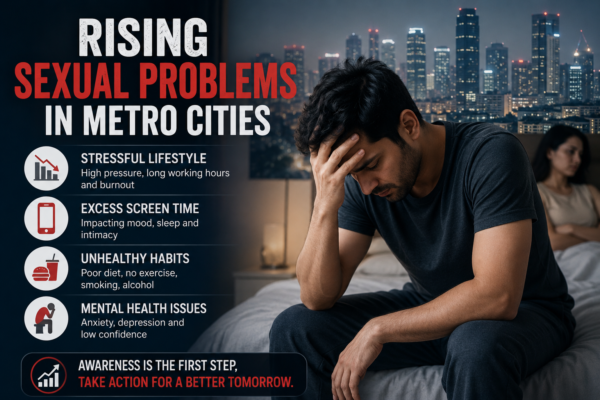
In recent years, metropolitan areas have witnessed a significant rise in sexual health issues, presenting a unique set of challenges that demand urgent attention. According to various studies, it has been observed that the prevalence of sexual dysfunctions, sexually transmitted infections (STIs), and other related problems have surged in urban settings. Factors contributing to these rising issues are multifaceted and often interlinked with the fast-paced lifestyle and social dynamics prevalent in metropolitan areas.
One prominent factor is the increasing rate of urbanization, which is accompanied by stressors such as economic instability, work pressure, and changes in social structures. This environment not only affects mental health but also significantly impacts sexual health. Research indicates that individuals living in metropolitan cities are more likely to experience anxiety, depression, and relationship issues, which can lead to sexual problems. Furthermore, the stigma surrounding sexual health discussions often prevents individuals from seeking help, exacerbating the prevalence of undiagnosed conditions.
Statistics reveal that urban residents report higher rates of sexual dysfunction compared to their rural counterparts. For instance, a survey conducted in several major cities indicated that nearly 40% of men and women experienced some form of sexual health issue. In addition, the heightened availability of casual relationships facilitated by social media and dating apps can contribute to a rise in STIs, as users may engage in sexual encounters with limited information regarding partners’ sexual health history.
The urgency of addressing sexual health issues in metro cities cannot be overstated. Not only do these problems affect individuals’ quality of life, but they also impose broader societal implications, including public health challenges and economic costs. Therefore, understanding the root causes and finding effective solutions to these rising sexual health concerns in urban areas is crucial for both individual well-being and community health initiatives.
Common Sexual Problems Faced by Residents
Individuals residing in metro cities often confront a range of sexual health issues that can significantly impact their personal and social lives. Among the most prevalent problems are erectile dysfunction (ED), low libido, sexually transmitted infections (STIs), and performance anxiety. Understanding these challenges is crucial in fostering a sexually healthy society.
Erectile dysfunction is characterized by the inability to achieve or maintain an erection adequate for satisfactory sexual performance. This condition can be attributed to various factors, including psychological stress, relationship issues, and lifestyle choices such as poor diet and lack of exercise. In metro cities, the fast-paced, high-stress lifestyle often exacerbates these factors, leading to a noticeable increase in cases.
Low libido, or reduced sexual desire, is another issue that many individuals might experience. It can result from hormonal imbalances, fatigue, or emotional distress stemming from the pressure of urban living. The hustle and bustle of city life can also lead to diminished intimacy between partners, further contributing to a decline in sexual desire.
Additionally, sexually transmitted infections pose a significant health risk in urban areas. With the potential for high partner turnover and varying sexual health education levels, it is vital for residents to prioritize safe sexual practices to mitigate the risk of STIs. Awareness campaigns and accessible healthcare services are necessary to address this public health issue.
Performance anxiety is yet another common struggle, often stemming from societal pressures to perform sexually. The dynamic nature of metro life can create unrealistic expectations surrounding sexual performance, increasing anxiety and potentially leading to a cycle of dysfunction. Tackling these issues requires a blend of open communication, education, and professional guidance to promote a healthier sexual landscape within urban settings.
The Role of Professional Help: Highlighting Dr. P.K. Gupta
In recent years, the prevalence of sexual problems in metro cities has risen, leading many individuals to seek professional assistance. A qualified sexologist can provide invaluable support in addressing these issues effectively. Prominent among these experts is Dr. P.K. Gupta, a distinguished sexologist in Delhi, who has made significant strides in the field of sexual health.
Dr. Gupta holds an impressive array of qualifications, which include a medical degree and specialized training in sexual medicine. With over 15 years of experience, he has treated a diverse range of sexual health concerns, ranging from erectile dysfunction and premature ejaculation to intimacy-related disorders and marital counseling. His depth of knowledge allows him to approach each case comprehensively, tailored to the unique needs of his patients.
Dr. Gupta employs a multifaceted approach to treatment, incorporating both medical and psychological techniques. This includes detailed consultations, diagnostics, and a range of therapeutic options, such as medication and psychotherapy. His clinic is known for fostering a supportive environment where patients can openly discuss their issues without fear of judgment.
Numerous testimonials from satisfied patients underscore Dr. Gupta’s effectiveness. For instance, a recent case involved a couple struggling with intimacy challenges, which had left them feeling disconnected. Following a series of sessions with Dr. Gupta, they reported significant improvements in their relationship dynamics and sexual satisfaction. Such case studies demonstrate the importance of seeking professional help in addressing sexual health concerns.
Ultimately, the role of a skilled sexologist like Dr. P.K. Gupta is crucial in navigating the complexities of sexual health issues, offering not only remedies but also the empowerment necessary for individuals to reclaim their sexual well-being.
Strategies for Addressing Sexual Health Challenges
Addressing sexual health challenges, especially in metro cities, necessitates a multifaceted approach focusing on communication, lifestyle adjustments, and professional support. Clear communication between partners is crucial. Open discussions about sexual preferences, concerns, and experiences can significantly enhance intimacy and understanding. When individuals feel comfortable expressing their feelings and needs, it fosters a nurturing environment where both partners can thrive.
In addition to effective communication, implementing lifestyle changes can play a significant role in improving sexual health. Regular exercise, maintaining a balanced diet, and managing stress levels are fundamental practices that contribute to overall well-being. Studies have shown that physical fitness can enhance libido and reduce anxiety, which are vital components of a satisfying sexual experience. Moreover, avoiding excessive alcohol consumption and quitting smoking are essential steps that can improve sexual function.
Another critical strategy is seeking professional therapy when necessary. Many couples benefit from sex therapy or counseling, where they can explore underlying issues that may be impacting their sexual relationship. Qualified sexual health professionals can provide personalized solutions and coping strategies tailored to an individual’s or couple’s specific challenges.
Regular check-ups with sexual health specialists are also paramount. Engaging with healthcare providers allows individuals to stay informed about their sexual health, receive vaccinations, and identify any issues early on. Recognizing and treating underlying medical conditions can often alleviate many sexual health concerns.
By integrating these strategies—effective communication, healthy lifestyle choices, and professional guidance—individuals and couples can foster a more healthy sexual relationship. Tackling these challenges head-on empowers them to reclaim their sexual well-being and enhance their overall quality of life.