Painful Intercourse (Dyspareunia) Treatment in Delhi – Dr. P.K. Gupta
Understanding Dyspareunia: Why Intimacy Shouldn’t Be Painful
Physical intimacy is meant to be a source of connection and pleasure, but for many, it is overshadowed by persistent pain. Known medically as Dyspareunia, painful intercourse can affect both men and women, leading to relationship strain, anxiety, and a complete avoidance of intimacy.
As a leading sexologist doctor in Delhi, Dr. P.K. Gupta specializes in diagnosing the complex physical and emotional roots of painful intercourse. At our sexologist clinic in Delhi, we provide a safe, confidential environment to help you move past the pain and rediscover a healthy sexual life.
Common Causes of Painful Intercourse
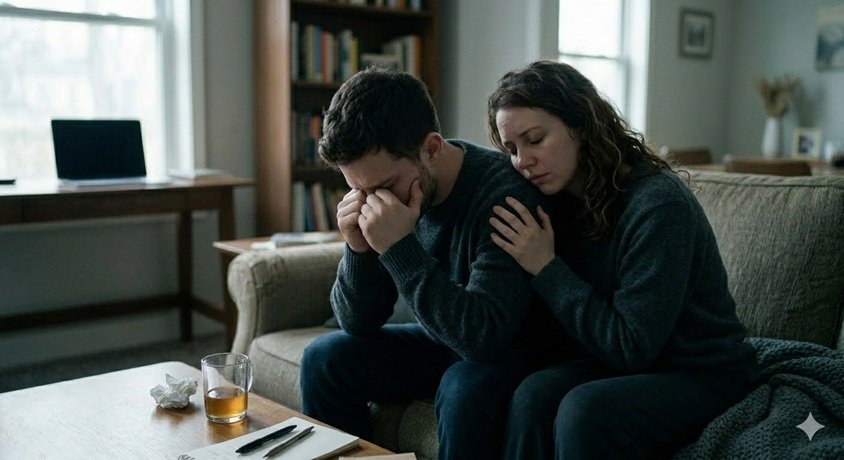
Pain during or after intimacy is a symptom, not a disease itself. Dr. P.K. Gupta identifies the underlying causes through a detailed clinical evaluation:
For Women:
-
Vaginismus: Involuntary tightening of the vaginal muscles, often due to fear or past trauma.
-
Infections: Conditions like yeast infections, UTIs, or pelvic inflammatory disease (PID).
-
Hormonal Changes: Vaginal dryness caused by menopause or breastfeeding.
-
Endometriosis: A condition where tissue similar to the lining of the uterus grows outside it, causing deep pelvic pain.
For Men:
-
Infections: Prostatitis (inflammation of the prostate) or yeast infections under the foreskin.
-
Phimosis/Paraphimosis: A tight foreskin that makes retraction or erections painful.
-
Peyronie’s Disease: A condition where scar tissue causes the penis to curve painfully during an erection.
-
Sores or Lesions: Often caused by undiagnosed STIs.
Our Diagnostic & Treatment Approach
At our Karol Bagh clinic, we follow a multi-step protocol to ensure the treatment is as targeted as possible:
-
Detailed Medical History: We discuss the timing, location, and nature of the pain (sharp, dull, deep, or superficial).
-
Clinical Examination: A discreet physical check to look for signs of infection, inflammation, or physical abnormalities.
-
Pathological Testing: Blood or swab tests to rule out STIs or hormonal imbalances.
-
Tailored Therapy:
-
Medical Treatment: Antibiotics for infections or hormonal creams for dryness.
-
Behavioral Therapy: Techniques to help relax the pelvic floor muscles.
-
Counseling: Addressing the “fear-pain cycle” where the anticipation of pain causes the body to tense up further.
-
Why Consult the Top Sexologist in Delhi for Dyspareunia?
-
MBBS & MD Expertise: Dr. P.K. Gupta’s background in Delhi’s top government hospitals ensures a high level of clinical accuracy.
-
Gender-Neutral Care: We provide specialized care for both men and women facing pain issues.
-
Confidential & Respectful: We understand how difficult it is to talk about pain during intimacy. Our consultations are strictly private.
-
Holistic Recovery: We don’t just treat the physical pain; we help you rebuild the emotional confidence needed for a healthy relationship.
Frequently Asked Questions (FAQ)
Q: Is painful intercourse normal after a long break from intimacy?
A: While slight discomfort can happen, persistent or sharp pain is never “normal” and should be evaluated by a sexologist in Delhi to rule out underlying issues.
Q: Can stress cause pain during intercourse?
A: Yes. Stress and anxiety can lead to pelvic floor tension (Vaginismus in women or muscle guarding in men), making penetration painful.
Q: Are there medications for this?
A: Depending on the cause, we may prescribe topical anesthetics, hormonal supplements, or medications to clear infections.
“Intimacy should bring you closer, not cause you pain. Schedule a private consultation with Dr. P.K. Gupta today.“